

Cosmetic vs. General Dentistry: A Simple Guide for San Francisco Patients
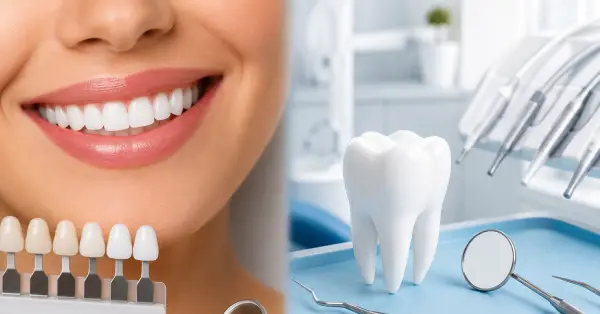
Searching for the best dentist near you can get confusing fast, especially when your concern is both health and appearance. If you are researching cosmetic dentistry in San Francisco, you might wonder whether you should book with a cosmetic dentist, a general dentist, or both.
The good news is that these categories often overlap. Many treatments improve how your smile looks and how your teeth function at the same time. The key is choosing the right first appointment for your main concern, and knowing when a problem should be handled urgently.
TL;DR - How To Choose the Right Dental Visit
General dentistry focuses on diagnosis, prevention, and fixing disease. Cosmetic dentistry focuses on appearance, but should still start with a healthy foundation. If you are unsure, a comprehensive exam can guide you to the right next step.
- Pain, swelling, or a cracked tooth: start with general dentistry right away.
- Stains, minor chips, uneven edges, or gaps: cosmetic dentistry may be the best first stop.
- Many people need both: health issues are treated first, then cosmetic upgrades are planned.
- Ask about options: whitening, bonding, veneers, crowns, and aligners each solve different problems.
- Bring your goals: photos and a list of concerns help your dentist plan efficiently.
General Dentistry vs. Cosmetic Dentistry: The Simple Difference
Think of general dentistry as the foundation: exams, cleanings, gum health, fillings, and diagnosing problems early. It is about keeping teeth and supporting tissues healthy and functional.
Cosmetic dentistry is about improving the look of your teeth and smile, including color, shape, symmetry, and spacing. The best cosmetic plans still consider bite and long-term maintenance so your results are comfortable and practical.
What Each Type of Dentist Commonly Fixes Quick Decision Map
Start With General Dentistry When Your Main Goal Is Health
- Toothache, sensitivity, or pain when biting: you need diagnosis before aesthetics.
- Broken filling, cavity concerns, or food trapping: treat active problems first.
- Bleeding gums or persistent bad breath: gum health should be stabilized before cosmetic work.
- Cracked tooth or trauma: protecting the tooth structure is the priority.
If it has been a while since your last checkup, a visit through general dentistry is often the most efficient first step because it creates a clear baseline for any cosmetic plan.
Start With Cosmetic Dentistry When Your Main Goal Is Appearance
- Stains or yellowing: professional whitening may help, but stains can have different causes.
- Small chips or uneven edges: bonding or reshaping can create a smoother, more even smile line.
- Gaps or minor spacing: depending on the cause, bonding, veneers, or aligners may be considered.
- Teeth that look too small, worn, or mismatched: cosmetic restorations can change shape and proportions.
If your main frustration is what you see in photos or the mirror, start with a cosmetic consultation so you can talk through priorities, timelines, and the most conservative options first. You can also review our cosmetic dentistry options to see common treatments and goals.
When to Call Now: Red Flags That Should Not Wait
Even if your concern looks cosmetic, these symptoms often indicate an underlying problem that can worsen. If you notice any of the following, schedule promptly:
- Facial swelling or swelling near a tooth
- Fever or feeling unwell along with tooth pain
- A cracked tooth, a loose tooth, or an injury from a fall or sports
- Severe pain, especially pain that wakes you up
- Bleeding that does not stop
How Cosmetic and General Dentistry Work Together Most Real Smiles Need Both
One common scenario is a patient who wants a whiter, straighter smile, but has old fillings, early decay, or gum inflammation that needs attention first. Treating those issues up front helps cosmetic results look better and last longer.
From our team's experience, many "cosmetic" concerns, like dark edges, uneven tooth length, or persistent staining, end up having a functional or health piece too, such as wear from grinding or spots where plaque collects. A combined approach helps you avoid redoing work later.
What to Ask at Your First Appointment So You Get a Clear Plan
-
What is causing the issue?
For example, stains can come from foods and drinks, smoking, certain medications, or changes in enamel and dentin. Chips may be from trauma, grinding, or bite imbalance.
-
What are my options from most conservative to most involved?
Many patients prefer to start small, such as whitening, bonding, or minor reshaping, before considering bigger changes, such as veneers or crowns.
-
What will maintenance look like?
Ask how long results typically last, what habits to avoid, and how often you should return for exams and cleanings.
-
Do I need to address bite or alignment first?
If alignment affects wear or makes cleaning difficult, your dentist may discuss orthodontic options such as clear aligners. If that is part of your research, see our page on Invisalign.
Common Smile Concerns and Which Visit Usually Makes Sense
Chipped Tooth
If the chip is new, painful, or the tooth feels sharp, start with an evaluation. The solution may be tooth-colored filling material, a crown, or a cosmetic repair depending on size and location.
Stains and Discoloration
Whitening is usually a cosmetic treatment, but an exam is helpful first so sensitivity, decay, or gum irritation does not get missed. Learn more about professional teeth whitening options.
Gaps and Uneven Edges
Small gaps can sometimes be improved with bonding or veneers. If the spacing is related to bite or crowding, aligners may be considered. Veneers can be an option for changing both color and shape; our veneers and laminates page explains this approach in more detail.
FAQs
If you are due for a checkup, have sensitivity, bleeding gums, or possible decay, start with a general dentistry exam. If your main concern is appearance, such as stains, chips, gaps, or uneven edges, a cosmetic consultation can still include a health screening so your smile plan is built on a healthy foundation.
Often, yes. Depending on the size and location of the chip, treatment may include smoothing, tooth-colored filling material, bonding, or a crown. A cosmetic approach may be recommended when matching shape and shade is especially important.
Yes. Whitening is typically categorized as cosmetic because it improves tooth color rather than treating disease. A dental exam first is helpful to confirm your teeth and gums are healthy and to identify the cause of discoloration.
Call promptly for swelling, fever, a toothache that keeps you up, pain when biting, a cracked tooth, a knocked-out tooth, or bleeding that does not stop. These concerns usually need general dental evaluation before any cosmetic planning.
Look for a practice that evaluates function and health first, explains options clearly, including pros and cons, and sets realistic expectations. Bring photos of the smile you like, ask what maintenance is required, and confirm the plan fits your timeline and budget.
Related Reading
Conclusion: Start With the Right Visit, Then Build the Smile You Want
If you are dealing with pain or signs of infection, general dentistry should come first. If your teeth are healthy and your main concern is how your smile looks, cosmetic dentistry can help you map out options for color, shape, and spacing. Either way, the goal is a plan that supports both appearance and long-term oral health.
Schedule a Visit
If you are considering cosmetic dentistry in San Francisco and want help choosing the right starting point, schedule a consultation with Nigel Suarez DDS and our team. Call (415) 558-9800.