

Why Teeth Whitening Does Not Work the Same for Everyone (And How To Get Better Results)
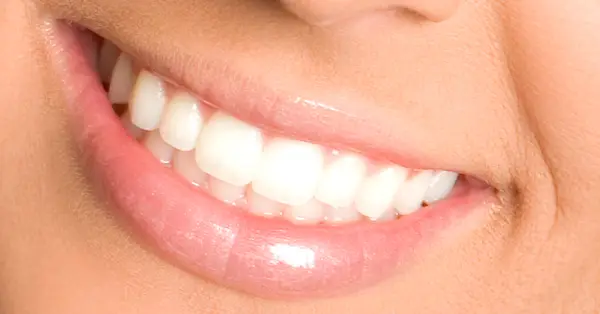
If you have ever wondered why your friend got a dramatic change while your smile only brightened a little, you are not alone. Teeth whitening is not one-size-fits-all. Even when you choose professional teeth whitening in San Francisco, results can vary based on stain type, enamel, sensitivity, and whether you have crowns or fillings in your smile line.
The good news is that uneven or disappointing whitening is often fixable once you know what is causing it. Below, our team at SOMA Dental Practice of Nigel Suarez DDS explains what typically makes whitening less effective and what you can do to get more predictable results.
TL;DR - How To Get More Predictable Whitening Results
Whitening results vary most because not all stains are the same and dental work does not whiten. A quick checkup can help you choose the right method and avoid sensitivity surprises.
- Surface stains (coffee, tea, wine) usually respond better than deep internal discoloration.
- Crowns, veneers, and fillings will not change color, so matching matters.
- Sensitivity is common but can often be reduced with timing and desensitizing products.
- Cleanings first can improve how evenly whitening works.
- Touch-ups and habit changes help maintain your preferred shade longer.
Why Teeth Whitening Results Vary From Person to Person
1) Your Stains Might Be External or Internal (And They Behave Differently)
Many of the best "before and after" photos come from treating extrinsic stains, which sit on the surface of enamel and are commonly caused by coffee, tea, red wine, and tobacco. Intrinsic stains are inside the tooth structure and can be more stubborn. When internal discoloration is the main issue, whitening may still help, but it may take longer or require a different cosmetic plan.
2) Enamel Thickness and Tooth Shade Start Point Matter
Teeth are not solid white blocks. Enamel can be thinner in some people, letting the underlying dentin color show through more. If your natural baseline shade is darker or your enamel is thinner, you may see a smaller change even with the same whitening technique.
3) Existing Dental Work Will Not Whiten
This is one of the biggest surprises for patients: whitening does not lighten porcelain crowns, veneers, or tooth-colored composite fillings. If you have a restoration on a front tooth, whitening can make it look darker by comparison because your natural teeth brighten and the restoration stays the same shade.
If you are also exploring broader cosmetic dentistry options, planning whitening first can help guide shade-matching for any future restorative work.
4) Sensitivity Can Limit How Aggressive You Can Be
Some people can whiten frequently with little discomfort, while others feel sharp sensitivity after just one session. When sensitivity is a limiting factor, the best strategy is often to slow down and protect comfort instead of pushing harder and risking irritation.
5) Skipping the "Prep" Step Can Lead to Uneven Whitening
Plaque buildup and surface stain can block whitening gel from contacting enamel evenly. In our experience, patients who whiten shortly after a professional cleaning often report more even results and fewer "patchy" areas.
Troubleshooting: How To Get Better Whitening Results
If your last whitening attempt did not go as planned, these are practical steps to discuss with your dental team.
-
Start with an exam and cleaning.
A quick exam helps rule out issues that can make whitening uncomfortable or unpredictable (like cavities, gum inflammation, or exposed root surfaces). A cleaning removes surface buildup so whitening can work more uniformly.
-
Match the method to the stain type.
Surface stains often respond well to whitening. Deeper discoloration may require a longer regimen, a different strength, or a cosmetic alternative depending on what is causing the shade change.
-
Plan around dental work.
If you have visible crowns or fillings, ask your dentist to help you plan the target shade. That way, you can decide whether any restoration may need to be replaced later for a seamless match.
-
Use sensitivity strategies early, not after it hurts.
Spacing sessions, using desensitizing toothpaste, and choosing a gentler approach can help many patients stay comfortable and still reach a brighter shade.
-
Be careful with "DIY hacks."
Abrasive products can make teeth look temporarily cleaner by removing surface stain, but they can also wear enamel over time. If you are unsure what is safe, ask before trying a new trend.
What to Expect From Professional Teeth Whitening in San Francisco
Professional whitening is not just about getting a stronger gel. It is also about choosing the right plan for your teeth and monitoring factors that affect comfort and predictability. If you want a more detailed overview of the whitening options we offer, you can visit our teeth whitening page.
Keeping Your Smile Brighter Between Touch-Ups
- Rinse after dark beverages: A quick water rinse can reduce how long pigments sit on enamel.
- Use a straw when it makes sense: It can reduce contact with front teeth for some drinks.
- Avoid tobacco: Smoking and vaping can stain quickly and make whitening fade faster.
- Stay consistent with hygiene: Gentle brushing and daily flossing help reduce buildup that holds stain.
- Schedule regular cleanings: Polishing helps remove surface stain so your smile looks brighter without over-whitening.
If you are looking for a dental clinic in the area that can help you compare whitening methods and timing, our San Francisco dental office page can help you plan your visit.
FAQs
Common reasons include intrinsic (inside-the-tooth) discoloration, dehydration-related shade shifts, uneven enamel thickness, smoking, and not enough contact time or strength with the whitening product. A dental exam can identify the stain type and whether a different approach like in-office whitening, a longer tray regimen, or cosmetic options may be more predictable.
No. Whitening agents change natural tooth enamel but do not lighten porcelain or composite restorations. If you have visible dental work, planning the shade first is important so any future replacement can be matched to your whitened teeth.
Mild, temporary sensitivity is common and often lasts 24 to 72 hours. Using a desensitizing toothpaste, spacing sessions, and avoiding very cold foods for a day or two can help. If sensitivity is strong or persistent, stop whitening and contact your dental office for guidance.
Limit frequent exposure to stain-causing drinks (coffee, tea, red wine), avoid tobacco, rinse with water after dark beverages, brush gently with a non-abrasive toothpaste, and keep up with professional cleanings. Many patients benefit from planned touch-ups to maintain their preferred shade.
Professional whitening is supervised, which helps reduce gum irritation and avoid whitening when there are issues like cavities or gum inflammation. Over-the-counter products can be effective for some people, but they are not tailored to your teeth or sensitivity level.
If you have sensitive teeth, a history of gum recession, multiple fillings or crowns on front teeth, or stubborn discoloration, a consultation can help you choose a plan with more predictable results. It is also helpful to schedule whitening after a professional cleaning so surface stains do not block the whitening gel.
Related Reading
- Teeth Whitening in San Francisco
- Cosmetic Dentistry in San Francisco
- TMJ Treatment an Option for Teeth Whitening | San Francisco
- Dr. Nigel Suarez
Conclusion: Better Whitening Starts With Better Matching
Whitening can be a great confidence boost, but the most important step is matching the method to your stain type, comfort level, and any existing dental work. If you want help troubleshooting your results or planning a brighter, more uniform smile, our team is here to help.
Ready to talk through options for teeth whitening in San Francisco with Nigel Suarez DDS? Call our dental clinic at (415) 558-9800 to schedule a consultation.
Prefer planning ahead? You can also find directions and visit details on our Map & Directions page.